Home
Product
How It Works Security AI in BrizoConsol Built on BRIZO
Features
CTA / FCTR NCI Intercompany Eliminations Step Acquisitions / Partial Disposals Multi-Accounting Standards All Features
Integrations
Xero QuickBooks MYOB Zoho Books Excel Import Other Accounting Software
Solutions
For Accountants CFOs / Finance Leaders Business Owners Multi-Entity Consolidation Group Reporting Multi-Currency Consolidation Board Reporting Management Reporting Pricing See It in Action
Resources
Documentation Tutorials Month-End Guide BRIZO Methodology Webinar Blog
Login Start Free Trial

Consolidation failures are dependency failures.

A process methodology for finance professionals who already know the accounting — built around how consolidation actually has to be sequenced, not just what the standards require.

No credit card required

BRIZO — Five Dependency Gates Methodology
"Each gate closes before the next opens."
B
Bring Data TogetherScope · Currencies · Trial balances locked
R
Reconcile RelationshipsOwnership map · IC matrix agreed
I
Integrate AdjustmentsGoodwill · NCI · CTA — determined once
Z
Zero Group EffectsEliminations rebuilt every period
O
Output Group FinancialsCross-check clear · Financials certified ✓

Consolidation failures are
dependency failures.

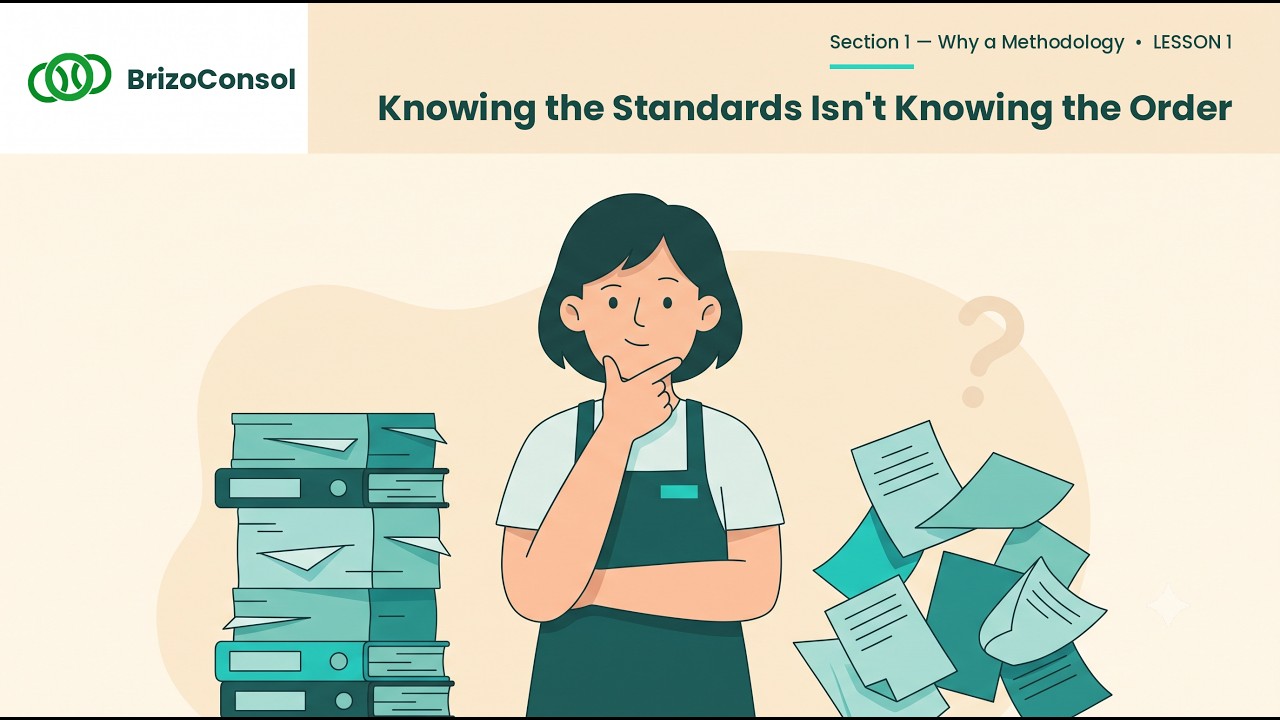
A finance professional can know every consolidation standard cold — IFRS 10, IFRS 3, IAS 21 — and still produce a different-looking close every quarter. Not because the accounting is wrong. Because the work was done in the wrong order, and the wrong order means each step was building on something that hadn't yet been established.

B Bring Data Together Scope confirmed R Reconcile Relationships Balances agreed I Integrate Adjustments Ownership in Z Zero Group Effects Eliminated O Output Group Financials Certified ✓

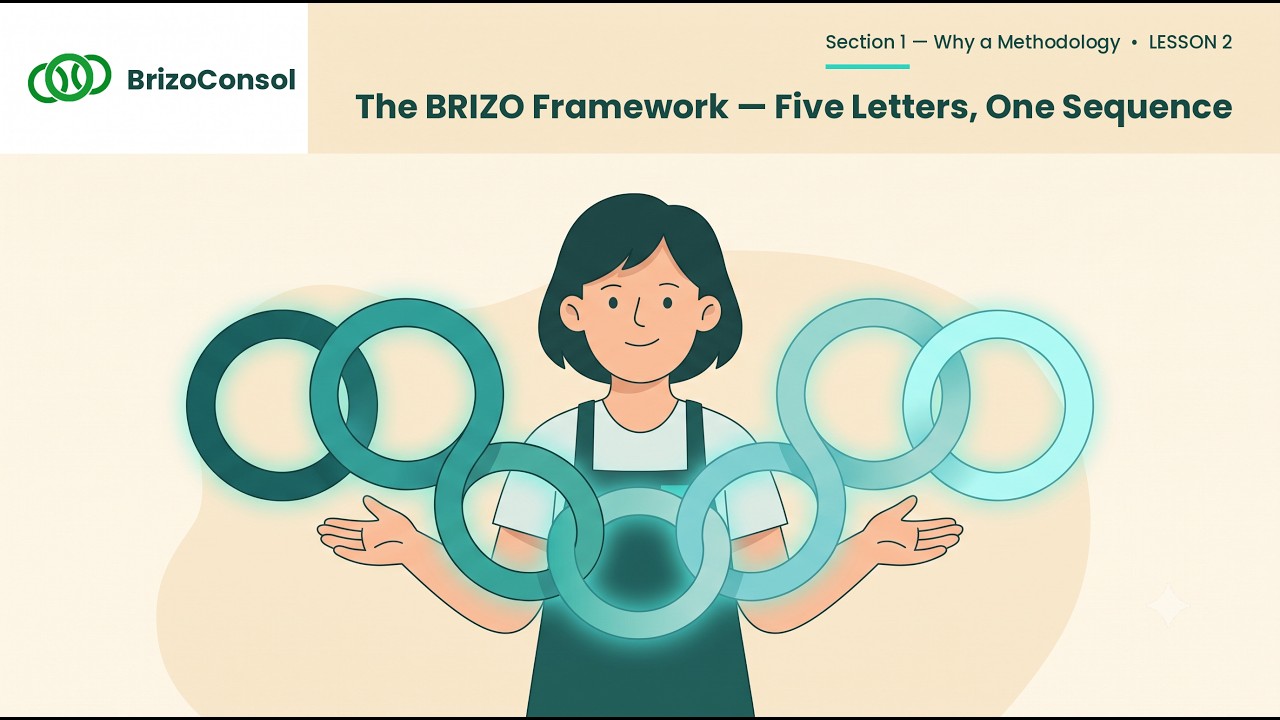
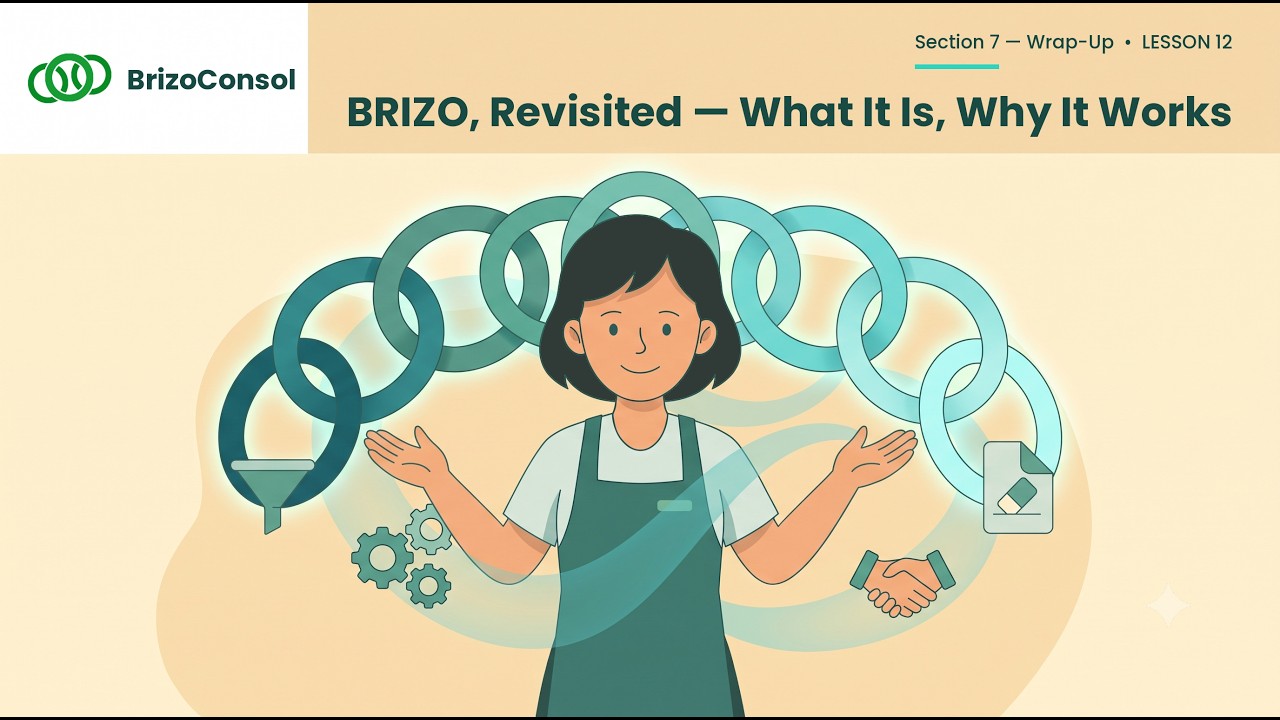
BRIZO treats consolidation as a chain of dependency gates. Each phase exists because it establishes a condition that the next phase requires before its output can be relied upon. It doesn't introduce new accounting rules — it introduces the sequence that makes the rules you already know produce a reliable answer, every time.

Five Dependency Gates.

Each phase has a defined job, a defined output, and a defined dependency on the phase before it.

B

Phase 1

Bring Data Together

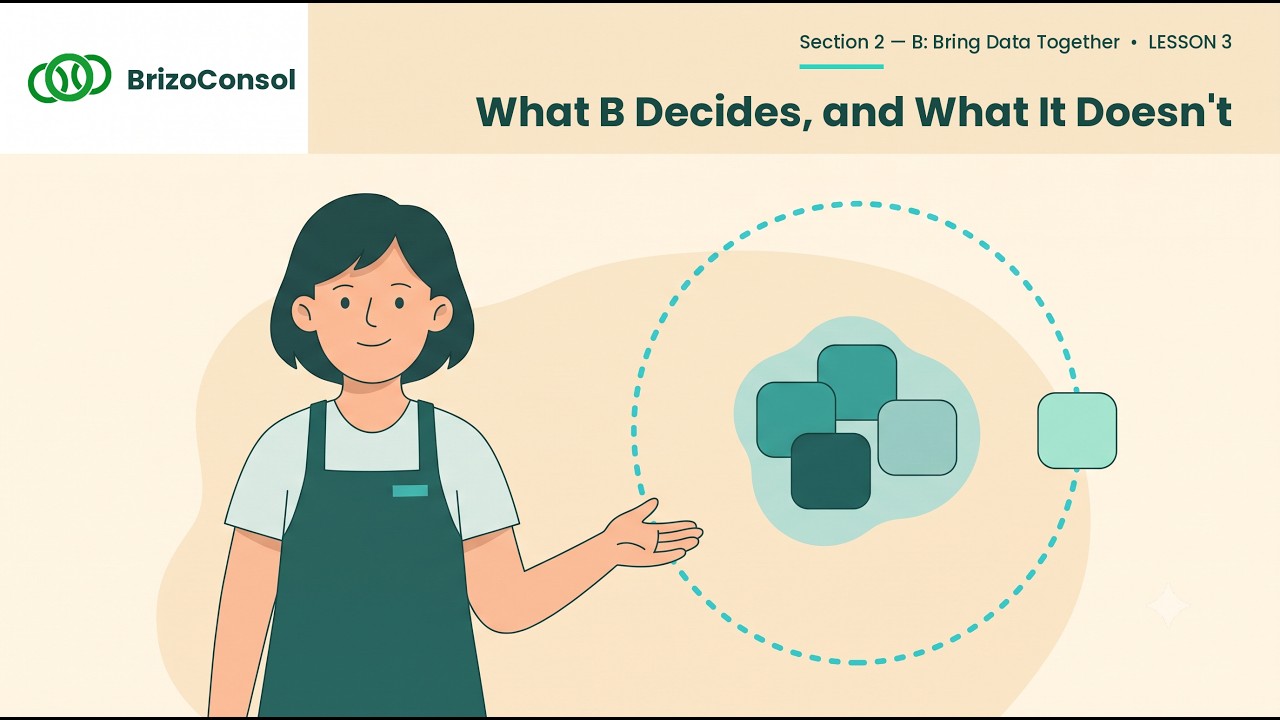
Decides which entities belong inside the group boundary and ensures every entity's data is in a comparable form — same reporting date, same functional currency, same structure. Nothing downstream can start until this is settled and locked.

Delivers

Confirmed consolidation perimeterStandardised trial balancesLocked currencies and translation rates
R

Phase 2

Reconcile Relationships

Two entities in the same group can each report a different figure for the exact same transaction and both be reporting in good faith. R settles the ownership structure and every shared balance to one agreed version before any adjustment touches the numbers.

Delivers

Agreed ownership mapReconciled IC matrix (all pairs agreed)Resolved disputes log — no open items
I

Phase 3

Integrate Adjustments

Determines the accounting consequences of every ownership relationship in the group — acquisitions, equity-accounted investments, NCI, and the translation effects of foreign subsidiaries. Each determination is made once, at the point the relationship is established, and carried forward.

Delivers

Goodwill scheduleFair value adjustment scheduleNCI calculationEquity method schedulesCTA schedule
Z

Phase 4

Zero Group Effects

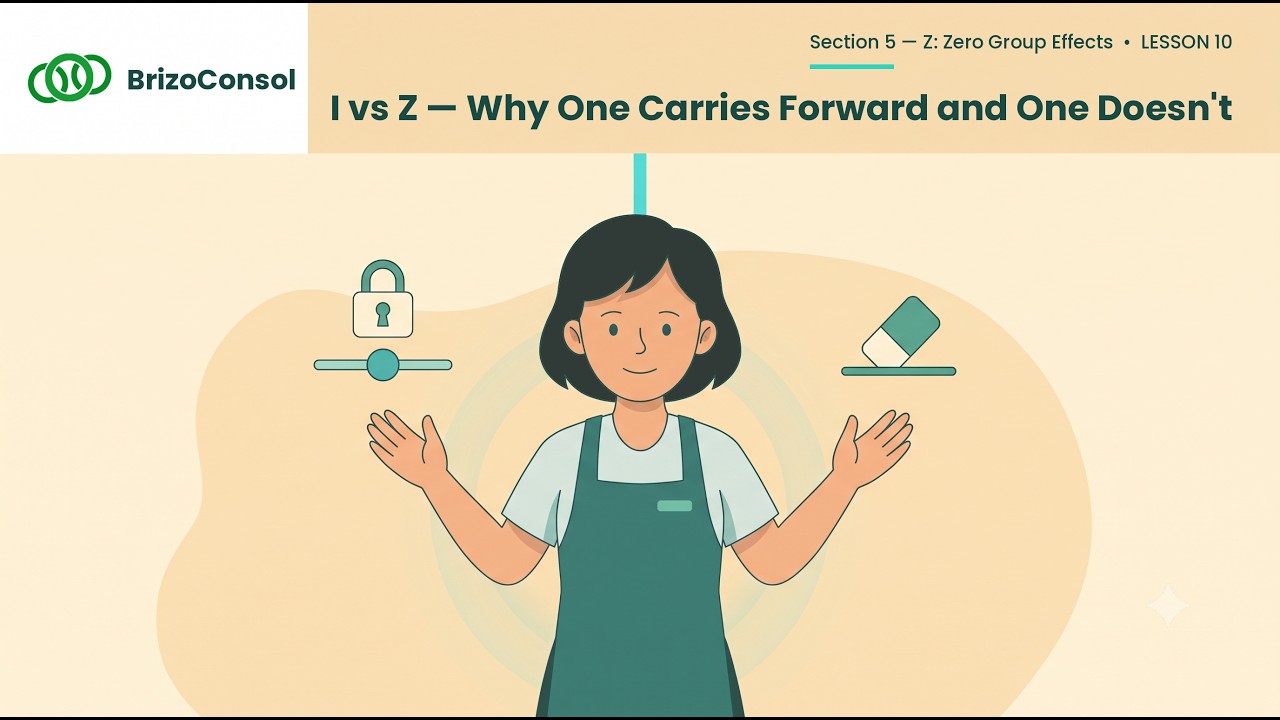
Removes the effects of the group trading with itself so the financials reflect only what happened with the outside world. Unlike I, this is rebuilt from scratch every single period, because this period's trading is always new information.

Delivers

Elimination journalsUnrealised profit adjustmentElimination completeness sign-off
O

Phase 5

Output Group Financials

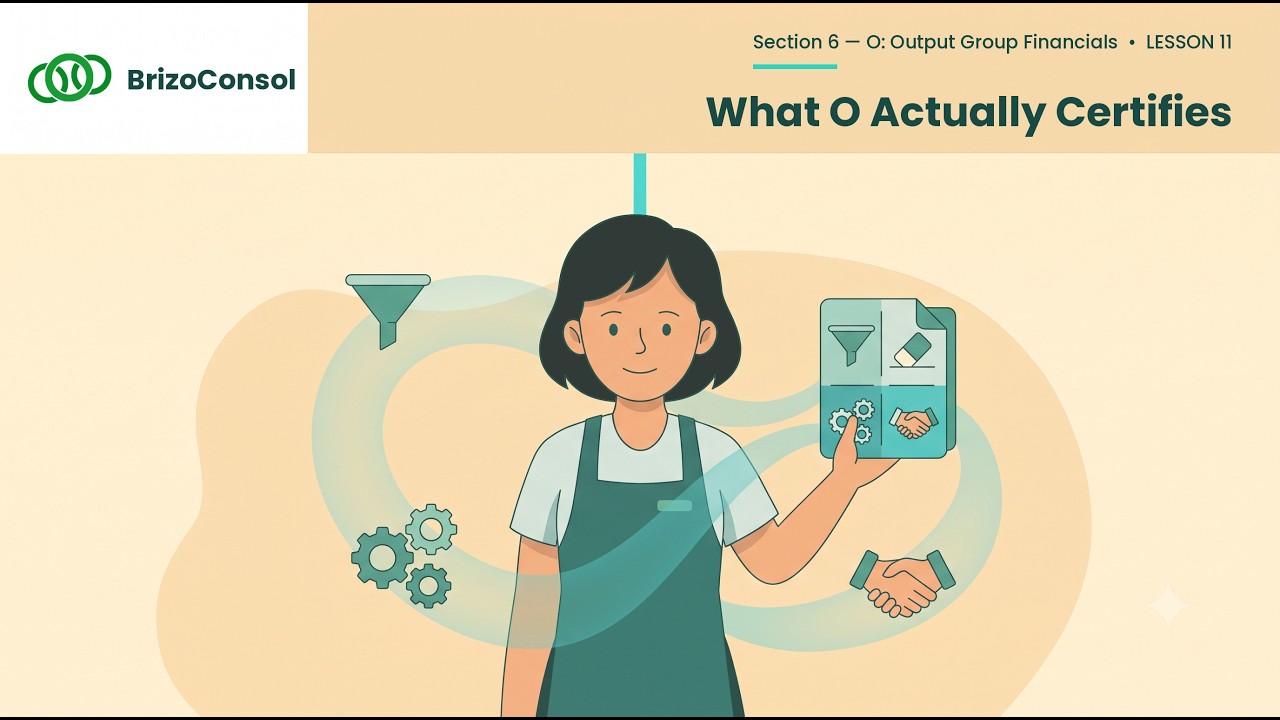
The point where everything B, R, I, and Z produced has to actually fit together into one coherent, internally consistent set of group financials — the last checkpoint before anything is published.

Delivers

Consolidated P&L, balance sheet, SOCE, cash flowDisclosure notesFinal cross-check sign-off

Each Gate Closes Before
the Next Opens

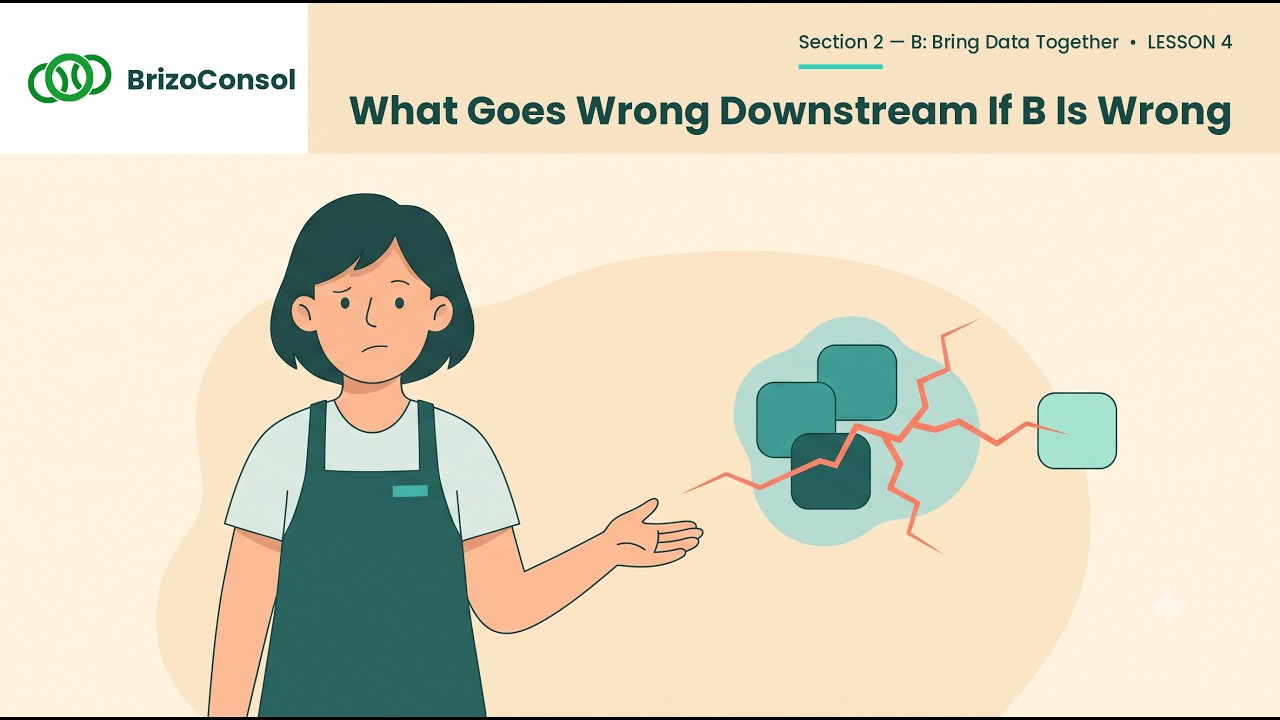
R cannot start until B has confirmed who is in the group. I cannot start until R has agreed the shared numbers. Z cannot start until I is established. O cannot certify until all four prior gates have closed.

Skip any gate, and the output of every phase that follows it cannot be relied upon.

FAILURE PROPAGATION — HOW ONE R FAILURE REACHES O R — Intercompany loan not reconciled Entity A: $1.2M · Entity B: $1.0M $200K mismatch carried I — Goodwill calculated on wrong net assets Net assets understated by $200K Goodwill overstated $200K Z — Elimination sized to wrong balance $1.2M eliminated against $1.0M payable $200K residual in group BS O — Published with errors Goodwill: overstated Balance sheet: residual Neither error announced itself With BRIZO: R gate catches the $200K mismatch before I begins.
"BRIZO treats consolidation as a chain of dependency gates. Each phase establishes a condition that the next phase requires before its output can be relied upon."

BRIZO Methodology Library

The BRIZO methodology is documented through a series of publications, from a one-page overview to detailed case studies and implementation guidance.

One-Pager

Methodology One-Pager

A concise introduction to the BRIZO methodology and the five-phase sequence.

Best for: Understanding BRIZO in under two minutes.

Download PDF
Short Guide

Short Guide

A practical introduction to the five phases, dependency chain, and the key distinction between I and Z.

Best for: Learning how the methodology works.

Download PDF
Whitepaper

Methodology Whitepaper

The theoretical foundation of BRIZO, including the dependency model, phase logic, and consolidation sequencing principles.

Best for: Understanding why BRIZO works.

Download PDF
Casebook

BRIZO Casebook

Five real-world consolidation failures diagnosed through the BRIZO methodology, showing how specific phase failures propagate through a close.

Best for: Seeing BRIZO applied in practice.

Download PDF
Implementation Guide

Implementation Guide

Guidance for deploying BRIZO within a finance team, including controls, checklists, responsibilities, and close-process integration.

Best for: Adopting BRIZO in your organisation.

Download PDF

New to BRIZO? Start with the One-Pager, then read the Short Guide before moving to the Whitepaper and Casebook.

Learn BRIZO — One Lesson at a Time

13 short lessons on YouTube covering every phase of the methodology. Free to watch, no account required.

More to Watch

Short technical explainers and the full Fundamentals course — free to start.

Udemy Course

Financial Consolidation Fundamentals

The complete technical foundation — control assessment, business combinations, intercompany eliminations, CTA, and NCI. 1 hour 50 minutes.

View on Udemy →

Ready to run your first structured consolidation?

BrizoConsol is built around the BRIZO methodology — the sequence is built into the product, not bolted on.