IFRS 10
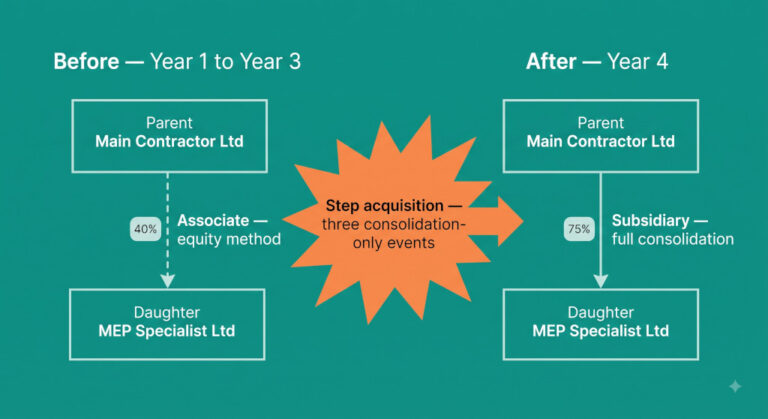
Step Acquisition in a Construction Group: The Consolidation Accounting When Your Associate Becomes a Subsidiary
Construction groups often hold minority stakes in specialist subcontractors before acquiring control. A main contractor might take a 30% or…
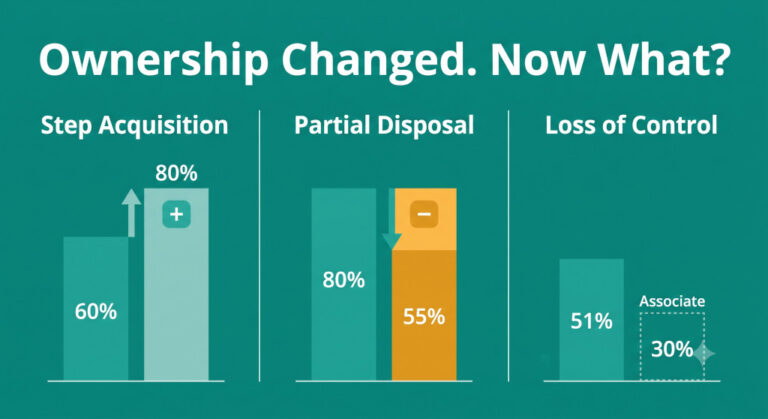
How to Consolidate a Subsidiary After a Change in Ownership
Two years ago the group acquired a 60% stake in a specialist logistics business. It was consolidated from day one,…
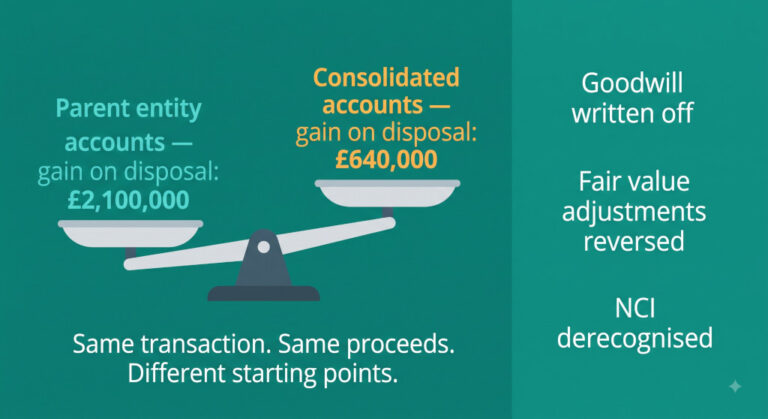
Disposing of a Professional Services Subsidiary: Why the Consolidated Gain and the Entity Gain Are Completely Different Numbers
When a professional services group sells a subsidiary — a regional practice division, a specialist consulting arm, or a standalone…
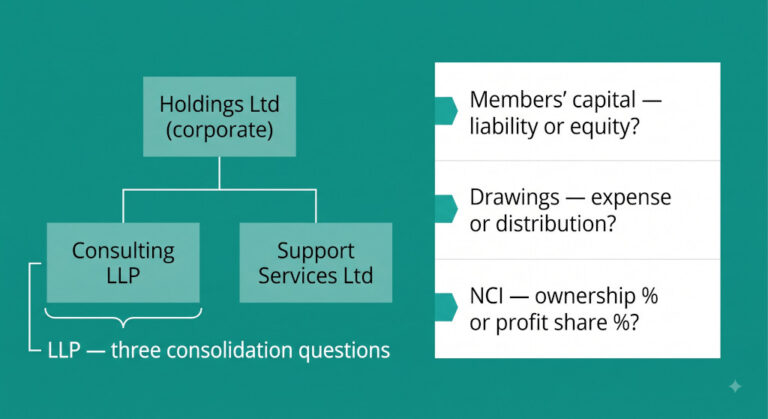
Consolidating an LLP Into a Corporate Group: The Three Questions Your Standard Consolidation Pack Doesn’t Answer
When the group financial controller of a professional services holding company set up the consolidation for the first time after…
BrizoConsol Academy: Our IFRS Consolidation Series Is Now Live
Understanding the accounting standards behind group consolidation is not always straightforward. The IFRS pronouncements that govern which entities you consolidate,…
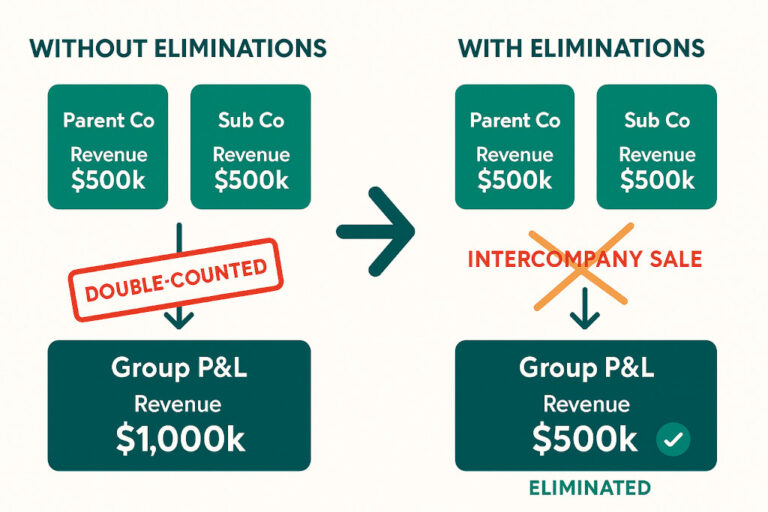
Intercompany Elimination: The Foundation of Group Consolidation
When one entity in your group sells to another, lends money to another, or charges management fees to another, both…

US GAAP vs IFRS: Key Differences in Financial Reporting
For finance professionals working across borders — whether managing a group with subsidiaries in multiple countries, advising clients who report…
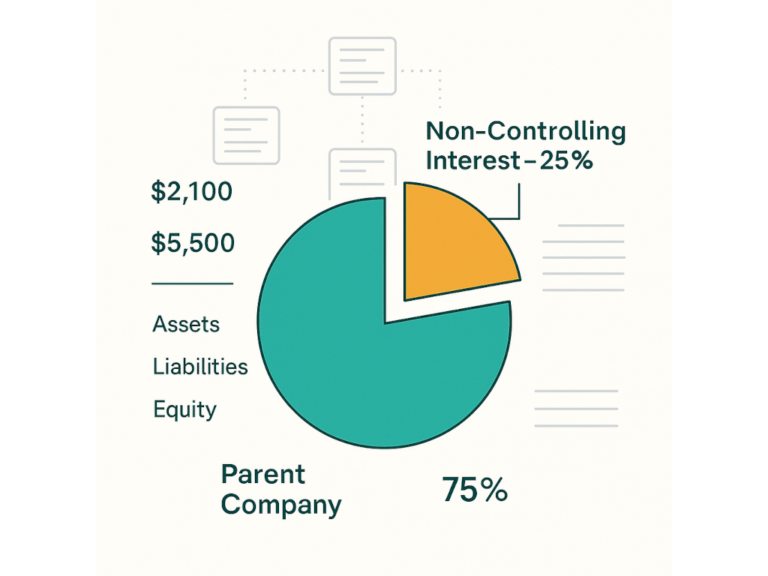
How to Calculate Non-Controlling Interest (NCI) in Financial Consolidation
When a parent company acquires a controlling stake in another business but does not own 100% of it, the financial…
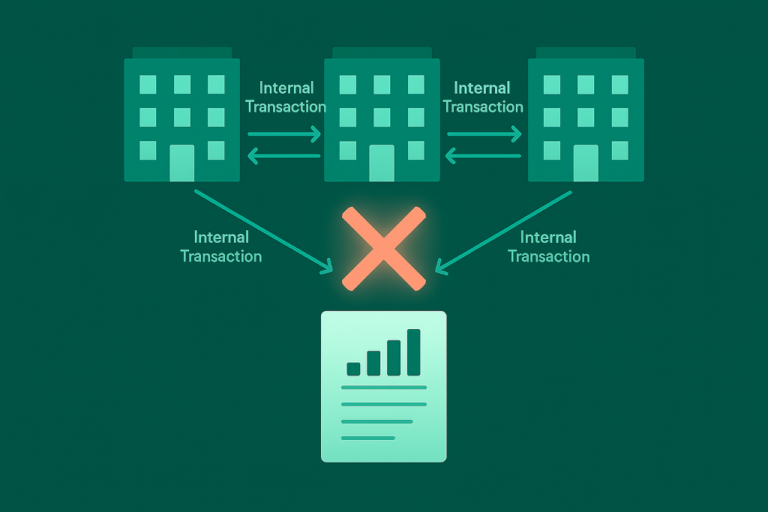
Why Do We Eliminate Intercompany Transactions in Financial Consolidation?
When a group of companies is under common control—such as a parent company with several subsidiaries—the goal of financial consolidation…