IFRS
Articles covering consolidation and reporting requirements under IFRS, including practical applications and differences from other standards.
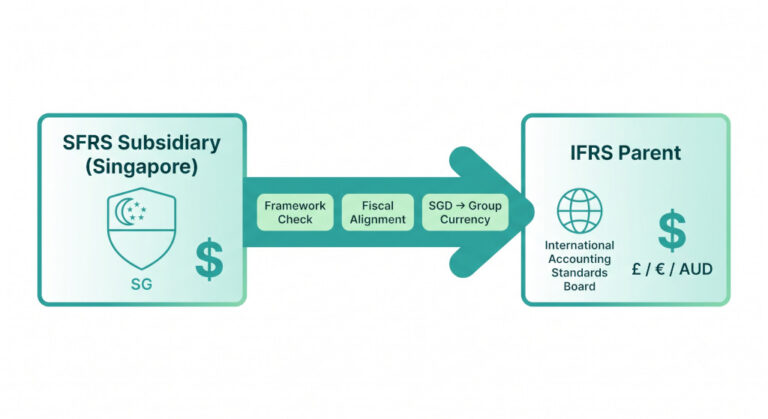
How to Consolidate an SFRS Subsidiary into an IFRS Parent: When to Convert, When Not to, and How to Translate SGD
International groups applying IFRS — whether Australian, European, UK-listed, or any other IFRS jurisdiction — that own Singapore subsidiaries must…
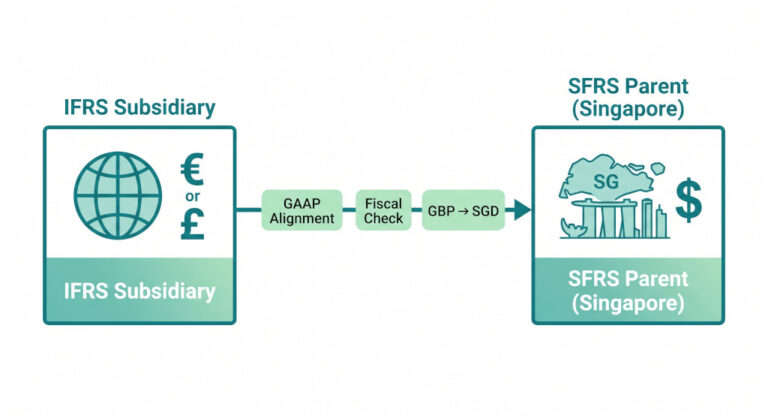
How to Consolidate an IFRS Subsidiary into an SFRS Parent: GAAP Alignment, Fiscal Periods, and Currency Translation
Singapore-headquartered groups regularly hold overseas subsidiaries that prepare their statutory accounts under full IFRS — subsidiaries in the UK, Europe,…
BrizoConsol Academy: Our IFRS Consolidation Series Is Now Live
Understanding the accounting standards behind group consolidation is not always straightforward. The IFRS pronouncements that govern which entities you consolidate,…
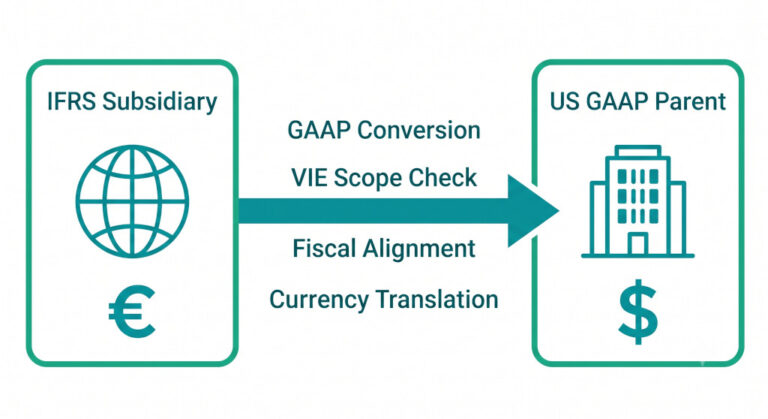
How to Consolidate an IFRS Subsidiary into a US GAAP Parent: Journals, Fiscal Alignment, and Currency Translation
US-listed companies with overseas subsidiaries face a recurring challenge at every reporting period: those subsidiaries prepare their statutory financial statements…
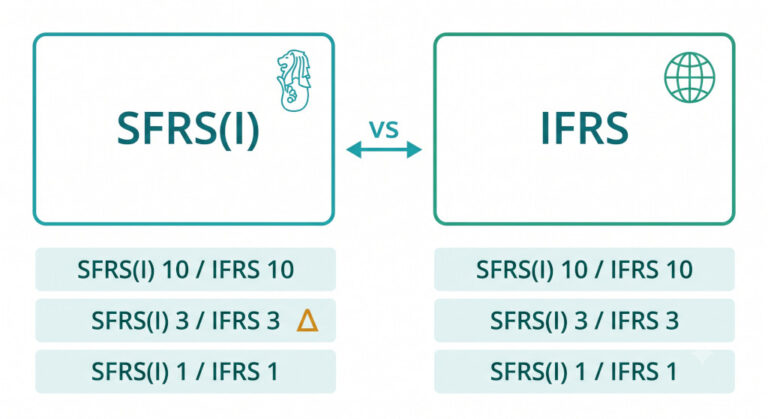
SFRS vs IFRS: Key Differences in Financial Reporting for Singapore Groups
Singapore has one of the most internationally aligned accounting frameworks in Asia. Since 2018, listed companies in Singapore have applied…

IFRS vs UK GAAP: Key Differences in Financial Reporting
Since the UK’s departure from the EU and the decision not to adopt new IFRS standards automatically, the gap between…
US GAAP vs IFRS: Key Differences in Financial Reporting
For finance professionals working across borders — whether managing a group with subsidiaries in multiple countries, advising clients who report…