SME finance
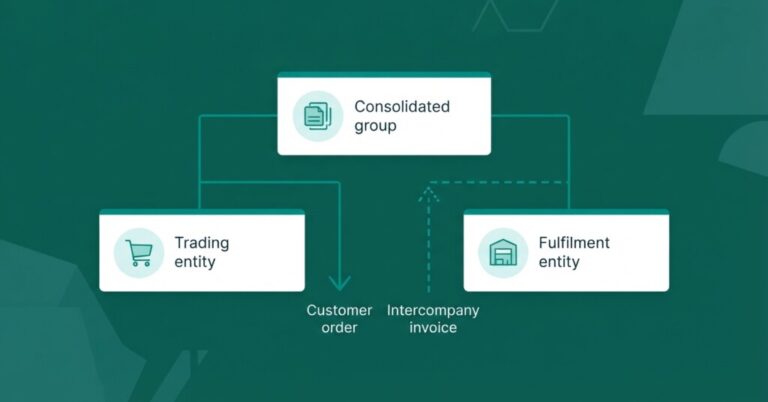
How to Eliminate Intercompany Dropshipping Transactions When Your E-commerce Group Uses a Separate Fulfilment Entity to Ship Directly to Customers
If your e-commerce group uses a separate fulfilment entity to dropship directly to customers, every shipment creates intercompany transactions that…
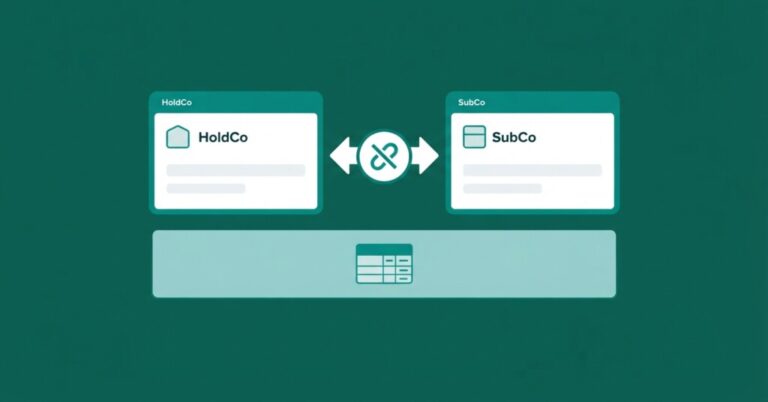
Why Xero Cannot Eliminate Intercompany Loans Between Two Xero Organisations and What Finance Teams Do Instead
Xero treats every organisation as an independent ledger with no native cross-entity consolidation layer, meaning intercompany loan balances between two…
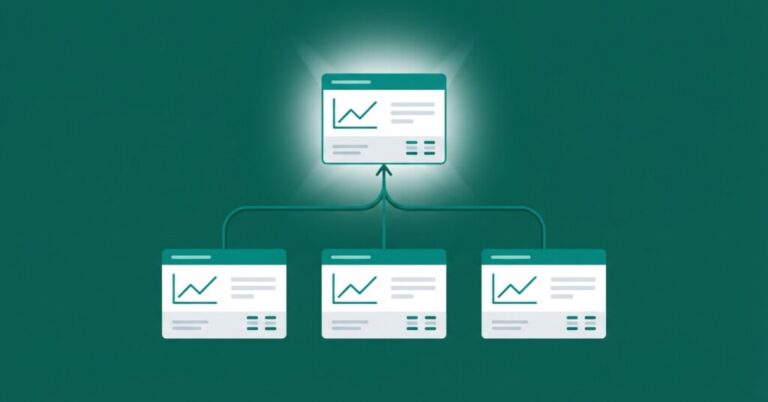
How to Build a Journal Template Library That Automatically Generates Every Consolidation Adjustment Your Group Runs Each Period
Consolidation adjustments follow repeating patterns, yet most SME finance teams recreate them from scratch each period. A journal template library…
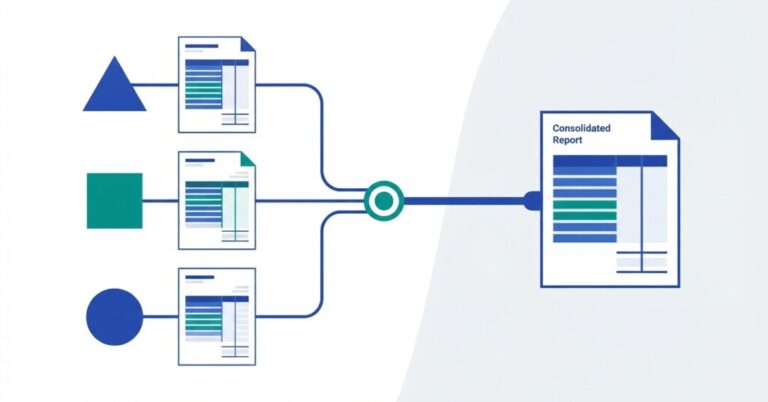
How to Produce a Consolidated Trial Balance From Multiple Xero Organisations When Each Entity Uses a Different Chart of Accounts
Finance teams managing multiple Xero organisations often face a three-part challenge when producing group accounts: mismatched charts of accounts, intercompany…
IFRS vs FRS 102: How Goodwill Accounting Differences Force Different Consolidation Adjustments in Mixed-Standard Groups
For SME finance teams managing mixed-standard groups, goodwill is one of the most consequential differences to reconcile at consolidation. FRS…
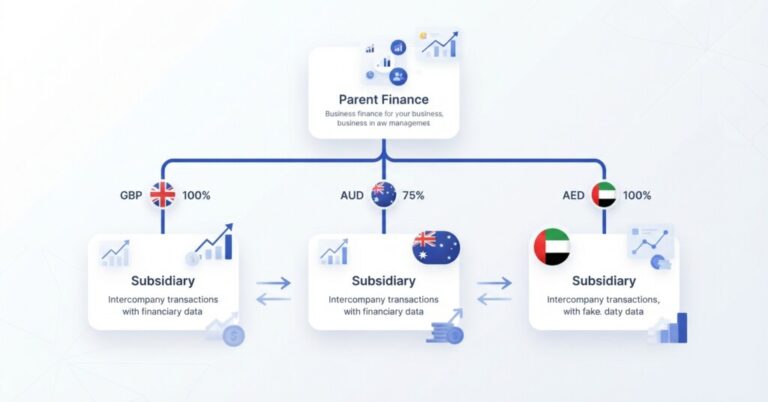
Xero Consolidation for Groups With a Holding Company and Multiple Operating Subsidiaries: What to Set Up Before Your First Close
Before your first Xero group consolidation close, you need more than good bookkeeping — you need aligned charts of accounts,…

Practical Use of Financial Reporting for SMEs: Why It Matters
For many small and mid-size businesses, financial reporting is something that happens to them rather than something they actively use.…